
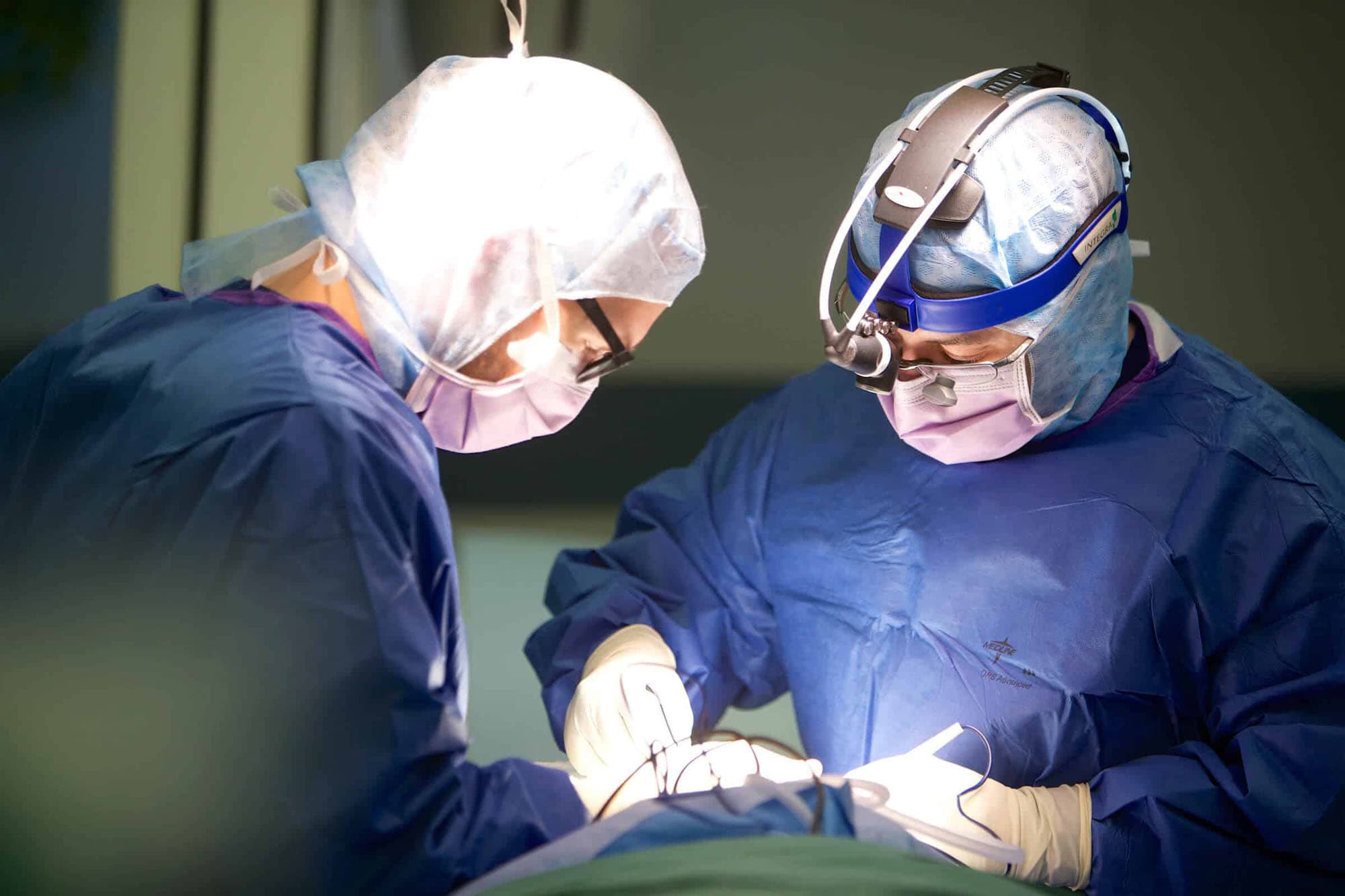
Neurosurgery Experts
Neurosurgeons are better placed than neurologists and general (non-spinal) orthopaedic surgeons to assess spinal conditions.
What Is a Neurosurgeon?
Neurosurgeons assess brain and spinal injuries, and a full range of spinal and peripheral nerve conditions. They perform surgery on the brain, spine and peripheral nerves.
The exception is where demyelination (transverse myelitis or multiple sclerosis) is suspected, in which case a neurologist is best placed to offer an opinion.
What Symptoms does a
Neurosurgeon Diagnose?
- Back pain
- Neck pain
- Sciatica
- Brachialgia
- Foot drop
- Wrist drop
- Weakness
- Numbness
- Paralysis
- Cauda equina symptoms
- Cognitive impairment
- Hand numbness

What Treatment Disorders Does a Neurosurgeon Treat?
- Spinal injuries
- Neck injuries
- Back injuries
- Spondylosis Disc prolapse
- Intervertebral disc prolapse
- Spinal fractures
- Spinal cord injuries
- Traumatic brain injuries
- Head injuries
- Brain trauma
- Subdural haematoma
- Diffuse axonal injury
- Thoracic outlet syndrome
- Brachial plexus injuries
- Peripheral nerve injuries
- Carpal tunnel syndrome
- Median entrapment neuropathy
- Ulnar neuropathy
- Cauda equina syndrome
- Radiculopathy
- Myelopathy
- Facet joint pain
- Discogenic pain
- Brain tumours
- Spinal tumours
- Peripheral nerve tumours
What Other MedicoLegal Assessments May Be Required?
- Psychiatry
- Pain medicine
- Occupational medicine
- Orthopaedic surgery
- Neurology
- Neuropsychology
- Plastic surgery


Can a Neurosurgeon Expert be Contacted Via Telehealth?
Yes, except where suspected radiculopathy or myelopathy are a factor.
Neurosurgical telehealth involves the use of telecommunications technology to deliver neurosurgical care remotely. Here are some general instructions for patients to prepare for a telehealth appointment with an neurosurgical provider:
before the appointment
Set Up the Necessary Technology: You’ll need a device with a camera and microphone such as a smartphone, tablet, or computer. Make sure your device has a stable internet connection. Install any necessary software or apps. Many healthcare providers use platforms like Zoom, Microsoft Teams, or their own secure video software.
during the appointment
Discuss Your Concerns: Describe your symptoms, when they started, and any activities that make them better or worse. Be prepared to answer questions about your medical history.
after the appointment
Follow Instructions: If your provider has given you any instructions, such as exercises to do at home or changes to your medication, make sure you understand and follow them.
What is a Neurosurgery Expert Witness?
A neurosurgery expert witness is an individual who is a certified neurosurgeon with extensive experience and knowledge in the field of neurosurgery. This person can provide expert testimony in legal proceedings, such as in medical malpractice cases, personal injury cases, or other legal matters involving neurosurgical issues.
Here are the Primary Roles of a Neurosurgery Expert Witness:
- Expert Testimony:They can provide testimony in court regarding the standard of care, procedures, and practices in neurosurgery.
- Case Review:They review medical records, diagnostic images, other relevant documents, and facts in the case to provide an expert opinion.
- Consultation:They consult with attorneys to help them understand the complex medical issues involved in the case.
- Deposition:They provide sworn out-of-court testimony to be used in court at a later date.
- Report Writing:They can provide a detailed, written report outlining their expert opinion on the case, which can be used in court
The neurosurgery expert witness must be able to communicate complex medical information in a way that non-medical individuals (like jurors or attorneys) can understand. They also need to maintain a fair and impartial stance, as their role is to assist the court in understanding the medical aspects of the case, not to advocate for one side or the other.
What Are Typical Neurosurgery Expert Cases?
Neurosurgery expert witnesses can be called upon in a wide range of cases, but the most typical involve medical malpractice and personal injury claims. Here are some examples:
- Medical Malpractice: These are cases where a patient or their family alleges that a neurosurgeon or other healthcare provider caused harm due to negligence or a failure to meet the standard of care. This could involve cases where:
- A surgical error occurred, such as operating on the wrong area, causing nerve damage, or leaving an instrument in the body.
- There was a failure to diagnose a neurological condition in a timely manner, leading to worsening of the condition.
- Postoperative care was inadequate, leading to complications like infection or poor recovery.
- Consent was not properly obtained, meaning the patient was not adequately informed of the risks, benefits, and alternatives before a procedure.
- Personal Injury Cases: These cases involve accidents or events that lead to neurological damage. Examples include:
- Traumatic brain injuries from car accidents, falls, sports injuries, or acts of violence. The expert may be asked to assess the severity of the injury, the appropriateness of the treatment provided, and the potential for long-term impacts or disability.
- Spinal cord injuries leading to paralysis or other disabilities.
- Injuries from defective products, such as a malfunctioning piece of equipment that causes a brain or spinal injury.
- Workers’ Compensation Cases: These can involve neurological injuries that occur in the workplace, such as back injuries from lifting heavy items or head injuries from falls.
- Product Liability Cases: These can involve medical devices used in neurosurgery, such as shunts, spinal implants, or brain stimulators. The expert might be asked to testify about whether a device was used correctly or whether it had a design flaw that led to injury.
- Cases Involving Consent and Capacity: Sometimes, cases revolve around issues of informed consent or the capacity of a patient to make decisions about neurosurgery. The expert witness can explain the complex information typically involved in these discussions and how it should be conveyed.
In all these cases, the neurosurgery expert witness provides a critical service: they translate complex medical information into a form that the court can understand and use to make fair and informed decisions.
Get timely updates and fresh ideas delivered to your inbox.